சுவர்ணபட்டி
http://www.sidhhaherbs.blogspot.com

Tecoma stans
ஸ்வர்ணபட்டி -- கேள்விப்பட்டிருக்கிறீர்களா? இதோ நாம் எங்கும் பார்க்கும் மூலிகைதான்!
மருத்துவகுணம் படைத்ததுங்க!
Yellow elder grows as a densely branched shrub or small tree and gets its common name from its superficial resemblance of its foliage to that of elderberry (Sambucus canadensis). It has bright green opposite leaves, which are pinnately compound with 1-9 (usually 3-7) sharply pointed oval leaflets. The 2-3 in (5-7.6 cm) long leaflets have sharply toothed edges. They are borne on very short petioles and are slightly hairy on the undersides along the midrib and in the vein axils. The smooth squarish twigs are green, turning tan or reddish tan as they age.
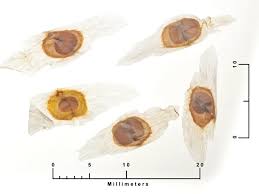
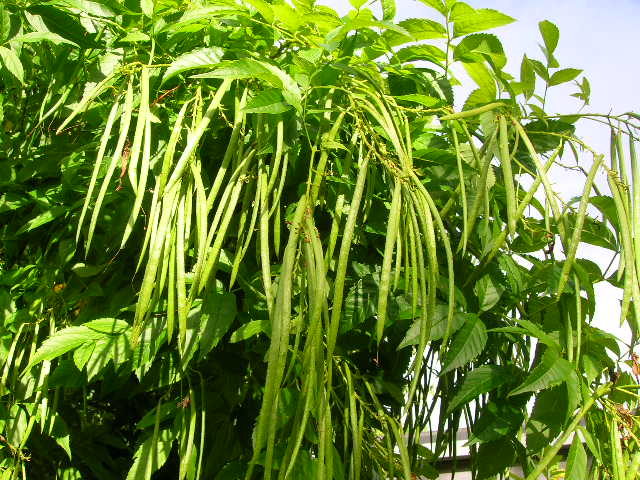
The bark on the main trunk is light brown and becomes corky with age. The 1-2 in (2.5-5.1 cm) sunshine yellow flowers are trumpet shaped. They hang in showy clusters at the branch tips and forks, bending the twigs into arches with their weight. There are two folds along the bottom of the flower's throat and several delicate rust-red lines decorating the interior. The blooms appear in flushes throughout the growing season. They are followed by 4-8 in (10.2-20.3 cm) long stringbean-like pods that hang in vertical clusters. These turn brown and split open to release flat oblong 1/4 in (0.6 cm) seeds with transparent 1/4 in (0.6 cm) wings on each end.
http://www.sidhhaherbs.blogspot.com
The leaves and roots of the plant contain bioactive compounds, especially monoterpenes, which may have medicinal uses;Honey bees are attracted to it, but-unlike most flowering plants-the honey produced from Yellow Trumpetbush's nectar/pollen is poisonous.
It is a small tree or a shrub with pale yellow to deep orange flowers and slightly curved fruits with winged seeds. The bark contains tecomin. It is used for liver disorders. thanks to ecoplanet nature care

Yellow elder has been used for a variety of purposes in herbal medicine.
Its primary applications have been in treating diabetes and digestive problems.
Extracts fromTecoma stans leaves have been found to inhibit the growth of the yeast infection,Candida albicans.
Yellow elder also contains several compounds noted for their catnip-like effects on felines.
Dear friends this plant is a tropical crop, which could be found in all tropical countries. Hope you enjoy reading this article
மருத்துவகுணம் படைத்ததுங்க!
Tronadora (Tecoma stans) seeds -
Features
Yellow elder is just beginning to get the horticultural recognition it deserves. This is an easy to grow and gloriously floriferous plant that has great potential in the nursery industry. Yellow elder is the official flower of the U.S. Virgin Islands, where its cheerful yellow blossoms have long been appreciated for their contribution to tropical color.Yellow elder grows as a densely branched shrub or small tree and gets its common name from its superficial resemblance of its foliage to that of elderberry (Sambucus canadensis). It has bright green opposite leaves, which are pinnately compound with 1-9 (usually 3-7) sharply pointed oval leaflets. The 2-3 in (5-7.6 cm) long leaflets have sharply toothed edges. They are borne on very short petioles and are slightly hairy on the undersides along the midrib and in the vein axils. The smooth squarish twigs are green, turning tan or reddish tan as they age.
The bark on the main trunk is light brown and becomes corky with age. The 1-2 in (2.5-5.1 cm) sunshine yellow flowers are trumpet shaped. They hang in showy clusters at the branch tips and forks, bending the twigs into arches with their weight. There are two folds along the bottom of the flower's throat and several delicate rust-red lines decorating the interior. The blooms appear in flushes throughout the growing season. They are followed by 4-8 in (10.2-20.3 cm) long stringbean-like pods that hang in vertical clusters. These turn brown and split open to release flat oblong 1/4 in (0.6 cm) seeds with transparent 1/4 in (0.6 cm) wings on each end.
Location
Tecoma stans comes from desert shrublands and dry forests in the region from Texas and Arizona southward to Argentina. It has become established in many parts of the Pacific and is naturalizing in South Florida. In South Florida, it invades dry disturbed sites, pine rocklands, and rockland hammocks. In the Pacific, it prefers wet or mesic sites.
Tecoma stans comes from desert shrublands and dry forests in the region from Texas and Arizona southward to Argentina. It has become established in many parts of the Pacific and is naturalizing in South Florida. In South Florida, it invades dry disturbed sites, pine rocklands, and rockland hammocks. In the Pacific, it prefers wet or mesic sites.
Culture
Yellow elder will grow on a wide variety of soils, including sand and limerock. The plants can be cut to the ground for rejuvenation in the early spring or carefully sheared during the growing season to control shape and size and promote new flushes of flowers.
Light: This species needs full sun.
Moisture: Yellow elder likes well drained soil. Potted plants should be given minimal water when not in active growth.
Hardiness: USDA Zones 7 - 11. Freeze tolerance varies dramatically, with some forms able to survive temperatures down to around 10ºF (-12.2º C) and others severely injured by only a few degrees of frost.
Propagation: Fresh seeds germinate readily in sandy soil in the spring. Cuttings root easily under mist in the summer. (Choose vigorous young semi-woody branch tips - not old woody stems or fresh green shoots.) Bottom heat will encourage rooting in cooler weather.thanks to floridata
Yellow elder will grow on a wide variety of soils, including sand and limerock. The plants can be cut to the ground for rejuvenation in the early spring or carefully sheared during the growing season to control shape and size and promote new flushes of flowers.
Light: This species needs full sun.
Moisture: Yellow elder likes well drained soil. Potted plants should be given minimal water when not in active growth.
Hardiness: USDA Zones 7 - 11. Freeze tolerance varies dramatically, with some forms able to survive temperatures down to around 10ºF (-12.2º C) and others severely injured by only a few degrees of frost.
Propagation: Fresh seeds germinate readily in sandy soil in the spring. Cuttings root easily under mist in the summer. (Choose vigorous young semi-woody branch tips - not old woody stems or fresh green shoots.) Bottom heat will encourage rooting in cooler weather.thanks to floridata
The leaves and roots of the plant contain bioactive compounds, especially monoterpenes, which may have medicinal uses;Honey bees are attracted to it, but-unlike most flowering plants-the honey produced from Yellow Trumpetbush's nectar/pollen is poisonous.
It is a small tree or a shrub with pale yellow to deep orange flowers and slightly curved fruits with winged seeds. The bark contains tecomin. It is used for liver disorders. thanks to ecoplanet nature care
Yellow elder has been used for a variety of purposes in herbal medicine.
Its primary applications have been in treating diabetes and digestive problems.
Extracts fromTecoma stans leaves have been found to inhibit the growth of the yeast infection,Candida albicans.
Yellow elder also contains several compounds noted for their catnip-like effects on felines.
Dear friends this plant is a tropical crop, which could be found in all tropical countries. Hope you enjoy reading this article


