http://www.sidhhaherbs.blogspot.com

If Our Malaysians Are Using These Types Of Herbal Drinks There Won't Be Many Dialysis Centres!
Orthosiphon stamineus
MISAI KUCHING
 Malaysia Medicinal Plant –
Misai Kucing Herbal Tea
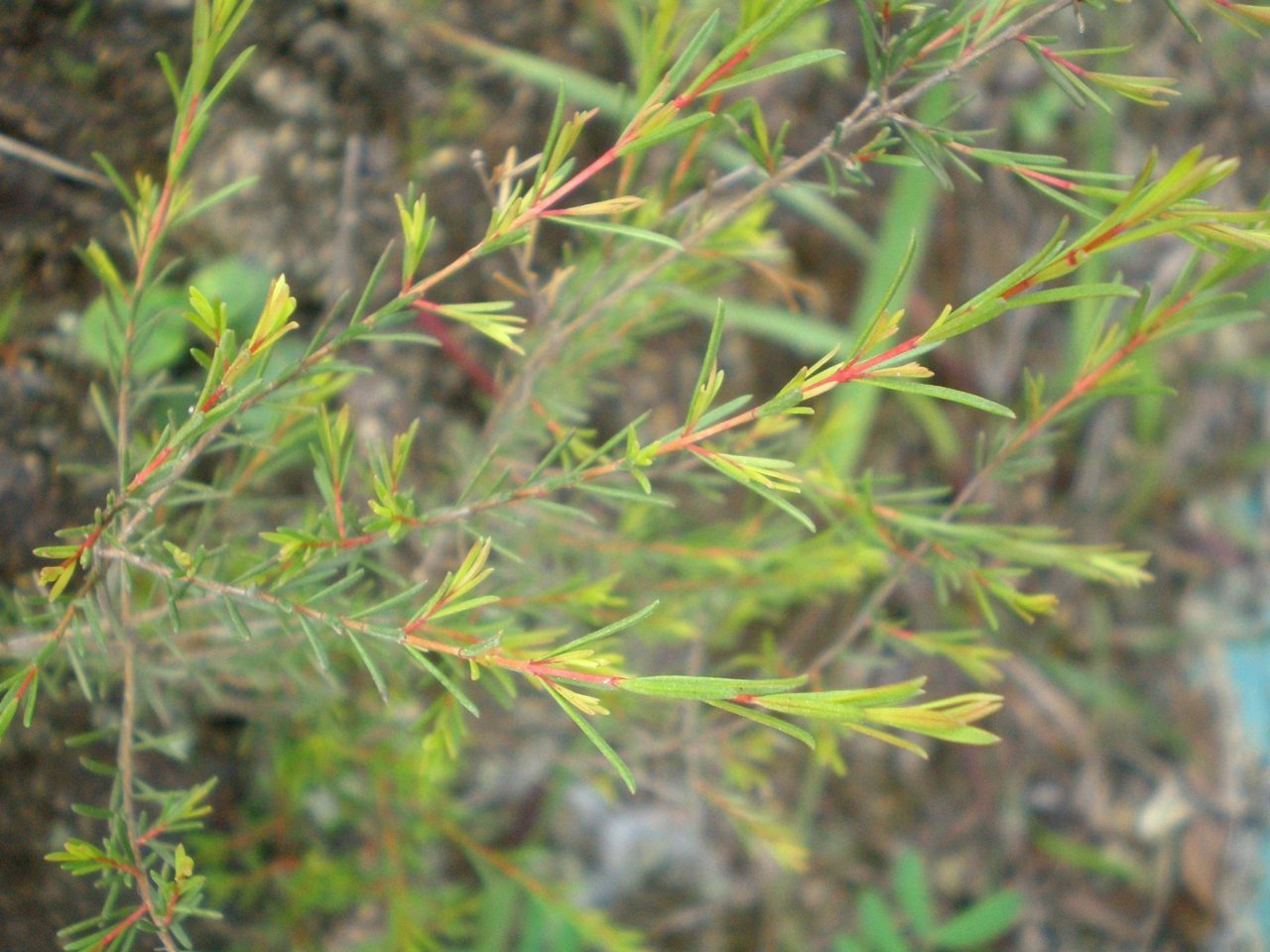
Malaysia Medicinal Plant - Misai Kucing or Misai Kuching (Orthosiphon stamineus) is a medicinal herb found mainly throughout Southeast Asia and tropical Australia. The plant is a herbaceous shrub, with a unique flower. The flowers have fine filaments that resemble a cat’s whiskers- hence its Malay name, Misai Kuching. Its other names are Kumis Kucing and Java Tea. Misai Kucing Herbal Tea (Orthosiphon stamineus) has been used for many centuries in Southeast Asia countries, especially in Malaysia. It is valued for the treatment of ailments of the bladder and kidney.
Java Tea ( locally known as Misai Kuching or Kumis Kucing) is a medicinal plant, native to South East Asia (Malaysia, Indonesia, Thailand...) and some parts of Tropical Australia. It is a herbaceous shrub that grows to a height of 1.5 meters. It has been cultivated for a long time and is a popular garden for its elegant and unique flower, white and bluish in color with far-exerted filaments that look like a cat's whiskers. In the wild, the plant can be seen growing along the forest edges, roadsides, and wasteland.
Common names for this pant are Misai Kuching (Malaysia), Kumis Kucing and Remujung (Indonesia), Java Tea and Kidney Tea (Europe), and Yaa Nuat Maeo (Thailand).
Scientific Names are Orthosiphon Stamineus Benth, Ocimum Aristatum BI., and Orthosiphon Aristatus (Blume).
Plant family: Lamiaceae, Labiatae
This plant is best used for treating ailments or problems of the kidney and bladder due to its mild diuretic action. It is believed to have antiallergenic, antihypertensive, anti-inflammatory, and diuretic properties. It is used as a remedy for kidney stones and nephritis. It is also used for treating gout, diabetes, hypertension, and rheumatism. It is also reported to possess antifungal and it exhibits considerable antibacterial activity.
Java tea or misai kuching began to interest researchers as early as the beginning of the 20th century when this plant was introduced to Europe where it became a popular herbal health tea. For more information on the research done, please follow
Java tea/misai kucing appears in many products where safe diuretic action is required such as detoxification, water retention, hypertension, weight loss, and kidney stones. The products appear in the form of tablets, capsules, tea sachets, drinks, raw herbs, dried leaves, or extracts.
Almost all parts of the plant can be used but usually only the leaves are being used. The healing power of misai kucing plant is because of its great chemical contents such as
- Beta-caryophyllene
- Alpha-humulene
- Caryophyllene epoxide
- Eupatorium
- Sinensetin
- Scutellarine tetramethyl ethers
- Salvigenin
- 7,3′,4’-tri-O-methyl luteolin
- 5-hydroxy-6, 7’,3′,4’-tetramethoxyflavone
- Ladanein
- 6-hydroxy-5, 7’,4′-trimethoxyflavone
- 2,3-dicoffeoyltartrate
- Rosmaric acid
- 2-caffeoyl tartrate
- Terpenoids
- Diterpene ester
- Orthosiphole A to E (diterpene dibenzoyl diacetyl ester of primarane type)
- Neoorthosiphol A and B
- Orthosiphole F to J
- Staminol A and B
- Norstaminol A
- Orthochromene A (benzochromene)
- Aglycone hederagenin (Triterpene saponins)
- Alpha-carotene
- Beta-carotene
- Cryptoxanthin
- Beta-zeacarotene
- Neo-beta-carotene
- Alpha-carotene oxide
- Vomifoliol
- Aurantiamide acetate
- Oleanolic acid
- Ursolic acid
- Betulinic acid
- Beta-sitosterol
There are total 35 beneficial chemical constituents in the Misai Kucing plant. With these beneficial chemical constituents, Misai Kucing is able to treat the following conditions effectively.
i) Kidney stones.
It is very useful for flushing the kidneys and urinary tract. It also relieves spasms of the smooth muscle in the walls of the internal organs, making it valuable for gallbladder problems.
It is very useful for flushing the kidneys and urinary tract. It also relieves spasms of the smooth muscle in the walls of the internal organs, making it valuable for gallbladder problems.
ii) Urinary tract infections.
Misai Kucing has the anti-bacterial and anti-fungal properties. Thus, drinking Misai Kucing tea is able to treat urinary tract infections.
Misai Kucing has the anti-bacterial and anti-fungal properties. Thus, drinking Misai Kucing tea is able to treat urinary tract infections.
iii) Rheumatism and gout.
Rheumatism and gout are the bane of many elderly in this modern age due to increased meat/protein consumption and a sedentary life. These conditions involve a build-up of acid and metabolic wastes within the muscles and joints. This leads to reduced circulation around the joint which results in painful swelling in addition, in time may lead to joint destruction. By consuming Misai Kucing, it can help to remove metabolic waster from our body and thus relieving rheumatism.
iv) Circulatory disorders.
Misai Kucing is the remedy for blood vessels and circulatory problems.
Misai Kucing is the remedy for blood vessels and circulatory problems.
v) Diabetes.
Misai Kucing is able to help to stabilize a diabetic’s sugar levels.
Misai Kucing is able to help to stabilize a diabetic’s sugar levels.
vi) High blood pressure.
Misai Kucing inhibits blood platelets from sticking together. It is also used to reduce cholesterol and high blood pressure. A study by Fukuyama University in Japan showed that extracts of Misai Kucing given to lab rats can lower blood pressure. It also has active substances that can reduce and prevent diseases and disorders. Misai Kucing has powerful.When injected into the bloodstream, it can dissolve red blood cells at even extreme dilutions.
Misai Kucing inhibits blood platelets from sticking together. It is also used to reduce cholesterol and high blood pressure. A study by Fukuyama University in Japan showed that extracts of Misai Kucing given to lab rats can lower blood pressure. It also has active substances that can reduce and prevent diseases and disorders. Misai Kucing has powerful.When injected into the bloodstream, it can dissolve red blood cells at even extreme dilutions.
Vii) Inflamation.
Misai Kucing has anti-inflammatory and anti-allergic properties that can help to reduce swelling. Research showed that it has anti-inflammatory agents that are not steroids. It is also believed to enhance the functioning of the immune system and reproductive systems.
Misai Kucing has anti-inflammatory and anti-allergic properties that can help to reduce swelling. Research showed that it has anti-inflammatory agents that are not steroids. It is also believed to enhance the functioning of the immune system and reproductive systems.
Besides, Misai Kucing is also rich in antioxidants that is important to protect cells from the damaging effects of free radicals.
physicianpackiam