
Tuesday, December 1, 2015

Malaysian Herbs- cannabis (113) -marijuana-கஞ்சா

google.com, pub-7876390333399498, DIRECT, f08c47fec0942fa0


http://www.sidhhaherbs.blogspot.com

                                                  Cannabis -கஞ்சா செடி
 புகை குடிப்பதற்குரிய கஞ்சாச்சருகுப் .பூஞ்சுருட்டு..


Cannabis, also known as marijuana (Spanish pronunciation: [maɾiˈwana]) among other names, is        a psychoactive drug from the Cannabis plant used primarily                             for medical or recreational purposes. The main psychoactive component of  cannabis is tetrahydrocannabinol , which is one of the 483 known compounds in the plant, including at least 65 other cannabinoids, including cannabidiol (CBD). Cannabis can be used by smokingvaporizingwithin food, or as an extract
Some immediate undesired side effects include a decrease in short-term memory, dry mouth, impaired motor skills and reddening of the eyes.
 Aside from a subjective change in perception and mood, the most common short-term physical and neurological effects include increased heart rate, increased appetite and consumption of food, lowered blood pressure, impairment of short-term and working memory, psychomotor coordination, and concentration. Some users may experience an episode of acute psychosis, which usually abates after six hours, but in rare instances, heavy users may find the symptoms continuing for many days.
A reduced quality of life is associated with heavy cannabis use, although the relationship is inconsistent and weaker than for tobacco and other substances. The direction of cause and effect, however, is unclear. Wikipedia

Acute effects may include anxiety and panic, impaired attention and memory, an increased risk of psychotic symptoms, the inability to think clearly, and an increased risk of accidents. Cannabis impairs a person's driving ability, and THC was the illicit drug most frequently found in the blood of drivers who have been involved in vehicle crashes. Those with THC in their system are from three to seven times more likely to be the cause of the accident than those who had not used either cannabis or alcohol, although its role is not necessarily causal because THC stays in the bloodstream for days to weeks after intoxication.

Monday, October 26, 2015

Malaysian Herbs- CATNIP(112)-Nepeta Cataria-மிண்ட் குடும்பம்

google.com, pub-7876390333399498, DIRECT, f08c47fec0942fa0

http://www.sidhhaherbs.blogspot.com


CATNIP    -Nepet cataria --மிண்ட் குடும்பம்

It is commonly known as catnip, catswort, or catmint, is a species of the genus Nepeta in the family Lamiaceae, native to southern and eastern Europe, the Middle East, central Asia, and parts of China. It is also widely naturalized in northern Europe, New Zealand, North America, etc.[1][2][3][4] [5]The common name catmint can also refer to the genus as a whole. Catnip and catmint both receive their name from the intense attraction mostcats have towards them

Family: Lamiaceae
Botanical name: Nepeta catara
What is catnip?

Catnip is a perennial herb from the mint family Labiatae. It has a square, hairy stalk with typically green/grey coloured heart shaped leaves that have scalloped edges. Flowers grow in spikes, reaching 1/2 inch in length. It is best known for its ability to get cats high.

There are approximately 250 species of flowering plants in the family Labiatae, some of which include:
Nepeta cataria (catnip or true catnip): White flowers, grows up to 3 feet. This is the variety most cats enjoy.

Nepeta camphorata (camphor catnip): White flowers with purple dots, grows up to 18 inches.Camphor scent.

Nepeta parnassica (Greek catnip): White, pale pink flowers, grows up to 18 inches.

Nepeta cataria citriodora (Lemon catnip): White flowers, spotted with purple, grows up to 3 feet. The leaves have a lemony scent.

Nepeta mussinii (Persian cat mint): Purple flowers. This plant has smallish, grey/green leaves. It grows up to 15 inches high.
Native to Europe and Asia, catnip became naturalised in North America and Canada after being introduced by the colonists in the 1600s. The name Nepeta is believed to have come from the town of Nepete in Italy, and Cataria is thought to have come from the Latin word for cat.
Nepeta cataria is also known by the following names: cataria, catmint, catnep, catrup, cat's healall, cat's-play, true catnip, cat's wort, catswort, catwort, chi hsueh tsao, field balm, Garden Nep, Herba Cataria, Herba Catti, Nebada, Nep.
Catnip effects on cats:
catnip for catsThe active ingredient that causes a high in cats is an essential oil called nepetalactone, which can be found in the leaves and stems of the plant. Other constituents include acetic acid, alpha and beta-nepetalactone, citral, nepetalactone, geraniol, dipentene, citronellol, nerol, butyric acid, valeric acid and tannins.
Nepetalactone causes a hallucinogenic effect. Some say the effects are similar to LSD; others say they are more similar to marijuana (some people claim that smoking catnip induces a high like that of marijuana, not that we recommend you try it). Because cats affected by catnip roll on the floor—which mimics a female in estrus—it has been suggested that the plant acts as an aphrodisiac, but this is unlikely, as males react the same way as females. What is probable is the cat is reacting to similar feel-good pheromones released during sexual courtship/activity. However, non-sexual behaviour—including playing, chasing, and hunting—can also be observed.The cannabis of the cat kingdom. Famous for making cats deliriously crazy.

 Catnip has health properties that are great for humans, too. Catnip can relieve cold symptoms (helpful if you're on a camping trip and don't have access to Nyquil). It's useful in breaking a fever as it promotes sweating. Catnip also helps stop excessive bleeding and swelling when applied rather than ingested. This mint plant (yep, another one) is also reportedly helpful in treating gas, stomach aches, and migraines. Catnip can stimulate uterine contractions, so it should not be consumed by pregnant women. It grows in the Northern Hemisphere


Around 50–66% of cats are affected by catnip, and to differing degrees. Kittens younger than eight weeks old aren't able to enjoy its effect; in fact, they show an aversion to it. The response to catnip is mediated through the olfactory system. When nepetalactone enters the cat's nasal passages, it binds to olfactory receptors located at the olfactory epithelium. This stimulates sensory neurons, which trigger neurons in the olfactory bulb to send signals to the brain. The response to catnip is inherited as an autosomal dominant gene, which means the gene only needs to be passed on from one parent.
It's not just domesticated cats who enjoy the effects of catnip; many other wild species of cats also enjoy it. Cats can smell 1 part per billion in the air. Males and females, fertile or desexed—there appears to be no one group more readily affected by catnip than another.
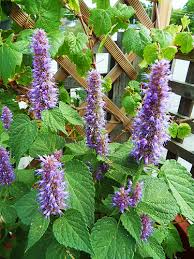
Image result for catnip plantcatnipA typical response includes sniffing, chewing, licking, head shaking, and chin, cheek, and body rubbing (in that order). Additional responses may include stretching, drooling, jumping, licking, aggression, and hyperactivity. Sniffing that produces the high; it is believed that cats eat catnip to bruise the catnip, thereby releasing more of the nepetalactone. The high produced will usually last between five and ten minutes, followed by a one hour refractory period.
Interestingly, researchers say that nepetalactone is about ten times more effective at repelling mosquitoes than DEET, which is the active ingredient in most insect repellents. It was also discovered that catnip repels cockroaches!* Plants aren't alone in containing nepetalactone; some insects and ants also contain it. It's been speculated that this protects them from other insects.
Rats and mice are also believed to have a strong dislike of catnip and will avoid places where it grows.
Is catnip harmful to cats?
Catnip is not harmful to your cat. They won't overdose on it. Most cats know when they've had enough and will refuse any further offers.
                                    (112)
                                                                                              

Malaysian Herbs -Sage- (111) Salvia officinalis - NEELAMULLI

google.com, pub-7876390333399498, DIRECT, f08c47fec0942fa0

http://www.sidhhaherbs.blogspot.com

                            Sage -You may get a lot of pots in Malaysian 

flower nurseries


SAGE- Salvia officinalis,
It was used as a preservative for meat before the advent of refrigeration (eminently useful: you never know when you'll be forced to hunt in the wild). 
Sage is an incredibly useful herb, widely considered to be perhaps the most valuable herb. It is anti-flammatory, anti-oxidant, and antifungal. In fact, according to the noted resourceWorld's Healthiest Foods, "Its reputation as a panacea is even represented in its scientific name, Salvia officinalis, derived from the Latin word, salvere, which means 'to be saved'." It was used as a preservative for meat before the advent of refrigeration (eminently useful: you never know when you'll be forced to hunt in the wild). Sage aids digestion, relieves cramps, reduces diarrhea, dries up phlegm, fights colds, reduces inflammation and swelling, acts as a salve for cuts and burns, and kills bacteria. Sage apparently even brings color back to gray hair. A definite concern when lost in the woods.

Salvia officinalis (sage, also called garden sage,

 or common sage) is a perennial, 

evergreen subshrub, with woody stems, grayish 

leaves, and blue to purplish flowers. It is a member 

of the family Lamiaceae and is native to the 

Mediterranean region, though it has naturalized in 

many places throughout the world. It has a long 

history of medicinal and culinary use, and in 

modern times as an ornamental garden plant. The 

common name "sage" is also used for a number of 

related and unrelated species.


Mexican sage

Give Mexican bush sage plenty of room. It grows and grows all summer long - and the foliage is attractive - but the real show doesn't start until autumn. As it flowers, the plant spreads outward and is subject to fall over and break off stems. Remove flower clusters as they age to reduce the weight on the stems. It might be a good idea to prune back your Mexican bush sage in early summer to promote a bushier habit and to keep it from getting so top heavy that stems break off.
Use Mexican bush sage in mixed hedges along with rosemary,butterfly bush and other salvias like blue anise sage orautumn sage. Its soft grayish foliage is attractive all summer long as an accent to the other shrubs that are blooming; then in the autumn when most of the other shrubs are getting tired, Mexican bush sage comes into its own.
Garden sage (Salvia Officinalis) is an aromatic herbal shrub that has green leaves with a silvery touch. It is also known as gulsham in Hindi, neelamulli in Tamil, neelambaramu in Telugu & marameeah in Arabic.

With a firm stem & deep purple flowers, the sage plant can achieve a height of two and a half to three feet. This herbal plant is also called kitchen & common sage.

Studies show sage leaves have beneficial organic compound contents. These include tannic, fumaric, caffeic & ursolic acids besides containing estrogenic substances & flavones.

Nonetheless, oil of this herb should be used in tiny amounts to avoid sage side effects.
Get Health Benefits of Sage

Many herbalists consider using this medicinal herb in treatments such as gingivitis, eczema, bad breath, canker sores and for clearing dandruff.

  • In traditional medicines, the leaves are used as a poultice that is used externally for treating swelling, sprains, bleeding & ulcers.
  • Sage herb leaves can be used to obtain sage tea benefits for treating sore throats and is also found to be of use for coughs. The sage flower petals are used to garnish salads.
  • White sage oil is said to have antiseptic properties that is used to prevent infection and treat inflammation & wounds.
  • In addition, the sage herb is also beneficial in treating symptoms associated with menopause.
  • The sage plant is said to possess anti-bacterial, anti-viral & even anti-fungal properties that can be useful in treating various disease.
  • Several studies have revealed benefits of sage in its effectiveness in fighting harmful microorganisms such as herpes simplex & influenza 2 viruses.
  • Oil obtained from sage seeds can give dramatic results for inflammatory conditions and skin disorders.
  • A combined sage infusion is used by natives to curb digestive problems and to enhance digestion.
  • The sage herb also has shown anti-oxidant properties equal to that of alpha-tocopherol.
  • Used as a dietary supplement, sage oil (use in low percentage) is said to improve short term memory. Sage tea can render a calming effect on your body.

Sage is used traditionally to stop excess salivation & perspiration. Sage seeds oil is observed to render mental clarity and is said to act as a stimulant for your nervous system.

Due caution is required to avoid sage side effects (such as convulsions) while using sage oil.
Thanks Penmai.com

  http://www.sidhhaherbs.blogspot.com

physicianpackiam

         (111)

Saturday, May 23, 2015

Malaysian Herbs- Ixora coccinea-(110)Vetchi or இட்லி பூ

google.com, pub-7876390333399498, DIRECT, f08c47fec0942fa0

http://www.sidhhaherbs.blogspot.com
    வெட்சி      OR      இட்லி பூ
Ixora coccine

   Ixora coccine  is a species of flowering plant in the Rubiaceaefamily. It is a common flowering shrub native to Southern India and Sri Lanka. It has become one of the most popular flowering shrubs in South Florida gardens and landscapes. Its name derives from an Indian deity.coccinea is a dense, multi-branched evergreen shrub, commonly 4–6 ft (1.2–2 m) in height, but capable of reaching up to 12 ft (3.6 m) high. It has a rounded form, with a spread that may exceed its height. The glossy, leathery, oblong leaves are about 4 in (10 cm) long, with entire margins, and are carried in opposite pairs or whorled on the stems. Small tubular, scarletflowers in dense rounded clusters 2-5 in (5–13 cm) across are produced almost all year long.Although there are around 500 species in the genus Ixora, only a handful are commonly cultivated, and the common name, Ixora, is usually used for I. coccinea. I. coccinea is used in warm climates for hedges and screens, foundation plantings, massed in flowering beds, or grown as a specimen shrub or small tree. In cooler climes, it is grown in a greenhouse or as a potted house plant requiring bright light. I. coccinea is also grown in containers, looking very distinguished as a patio or poolside plant. This tight, compact shrub is much branched and tolerates hard pruning, making it ideal for formal hedges, although it is at its best when not sheared

.Various kind of Ixora which have  Ixora coccinea as a parent produce differently coloured blooms, chiefly in shade of orange, yellow and pink, as well as red.

 வெட்சி (இட்லிப் பூ அல்லது இட்லி பூ) என்பது ரூபியேசியேக் குடும்பத்தைச் சேர்ந்த தாவரமாகும். என்றும் பசுமையான மலர்ச்செடிகளான ரூபியேசியே குடும்பத்தில் 529 சிற்றினங்கள் காணப்படுகின்றன.
Image result for Ixora coccineaஉலகெங்கிலுமுள்ள அயன மண்டலம், உப அயன மண்டல நாடுகளில் தோன்றினாலும் அயன மண்டல் ஆசியா, குறிப்பாக இந்தியா இதன் பல்வகைமை செறிந்து காணப்படும் நாடாகும்.[2] இப்போது ஐக்கிய அமெரிக்கா நாடுகளிலும் வெட்சி வளர்க்கப்படுகிறது.
இத்தாவரம் 3-6 அங்குலம் நீளமுள்ள தோல் போன்ற இலையையும் சிறு பூக்களின் கொத்துக்களால் ஆனது. அமில மண்ணுக்கு பொருத்தமான இத்தாவரம் பொன்சாய் செய்கைக்கு ஏற்றது.

மருத்துவ பயன்கள் 

வெட்சிப்பூ மேக வழல் விட்டோடும் வாசனையாம்
அடசி வழி யாயுயிர் கொள்ளா ரணங்கே -எச்சுஞ்
சுரமுடனே தாகந் தொலைக்கும் உலகில்
விரைவாய் இளைப்பகற்றும் விள 
(அகத்தியர் குண பாடம் )

பூவை -வெள்ளாட்டுபாலில் கொடுக்க வெள்ளை தீரும்
பூவை குடிநீராக்கி குடிக்க சுரம் தீரும்
பூவை நெய்விட்டு வதக்கி -சீரகம் ,சிறுநாகபூவுடன் உண்ண-நீர் வேட்கை போகும்
வேரை-திப்பிலயுடன் கொடுக்க -கழிச்சல் நிற்கும்
வேரை புண்ணில் போட புண் சீக்கிரம் ஆறும் 

There are numerous named cultivars differing in flower colour (yellow, pink, orange) and plant size. Several popular cultivars are dwarfs, usually staying under 3 ft (1 m) in height. Ixora 'Nora Grant' is a popular dwarf and 'Super King' is a popular hybrid with much larger flower clusters than the species. Many new cultivars and hybridsof I. coccinea have come to market in the last couple of decades, leading to a resurgence in popularity for the beautiful flame-of-the-woods.

Image result for Ixora coccinea 
Image result for Ixora coccineaThe flowers, leaves, roots, and the stem are used to treat various ailments in the Indian traditional system of medicine, the Ayurveda, and in various folk medicines. The fruits, when fully ripe, are used as a dietary source.

Ixora coccinea, commonly called flame of the woods or jungle geranium, is a rounded evergreen shrub that that typically grows to 4-6' (less frequently to 10') tall. It is native to India, Sri Lanka and southeast Asia, but is now widely grown in tropical areas around the world. It has become a very popular flowering shrub in southern Florida. Woody stems are clad with opposite, leathery, elliptic to oblong, glossy, dark green leaves (each to 4" long). Tubular, 4-petaled, bright red flowers bloom in coyrmbose cymes (each to 5" wide). Primary bloom is in summer, but sporadic bloom occurs throughout the year. Flowers are followed by round dark purple/black fruits (drupes).
physicianpackiam
http://www.sidhhaherbs.blogspot.com      (110)                             

Saturday, May 9, 2015

Malaysian Herbs- Phyla nodiflora Greene -Poduthalai-(109) பொடுதலை

google.com, pub-7876390333399498, DIRECT, f08c47fec0942fa0
பொடுதலை


Poduthalai is an annual herb which is very common in the wet habitations of India. The Botanical name of Puduthalai is Phyla nodiflora Greene. Rich and Verbena nodiflora L. There are various other names by which this medicinal plant is known include Ratoliya, Ratuliyo and Ratveliyo in Gujarati, Nela hippali in Kannada, Jalapimpali and Ratoliy in Marathi, Bakan, Bukan, Bhuiokra and Moknaa in Punjabi, Podutalei in Tamil, Bhuiokra in Bengali, Jalapa-pili, Bhuiokra and Lundra in Hindi, Kattuttippali in Malayalam, Bukkan in Oriya, Jalapippali and Vachira in Sanskrit and Bokkena, Bokenaku and Nelaguridi in Telugu


In Siddha  and Ayurveda, Poduthalai is regarded as a cooling, aphrodisiac, astringent to the bowels, vulnerary, stomachic, anthelmintic and alexiteric. It is used in the treatment of diseases of the heart, asthma, blood and eye, bronchitis, loss of consciousness, thirst and to promote in the healing of wounds and ulcers. In Unani, it is regarded as a diuretic and maturant, and used in the treatment of colds and fevers. Poduthalai is also used to treat constipation, is chury and knee-joint pains. A paste or poultice prepared from the fresh plant is used as a suppurant or maturant to heal swollen cervical glands, erysipelas, chronic indolent ulcers and boils. An astringent, bitter infusion prepared from the leaves and tender stalks of this plant is given to children to relieve indigestion and to women following childbirth. The crushed leaves are applied externally over the forehead to relieve headache among the Rabaris in the Barda Hills of Gujarat. The leaves of Poduthalai, ground with garlic, are used to relieve toothache among the tribal inhabitants of southern Andhra Pradesh
Medical benefits of Forg fruit, purple lippia|Phyla Nodiflora|   poduthalai :
MIx Dried leaf powder of Phyla Nodiflora with Cumin seed powder in 2:1 ratio.  Take 4 g of the mixture with lukewarm water once a day. Chew 2-3 leaves of Phyla Nodiflora twice a day can cure piles.  Use leaf paste of Phyla Nodiflora on the infected Skin or Ulcers.  It helps in the ripening of Ulcers
Poduthalai is a wild plant commonly grows in gardens as weeds and near water bodies. It is also grown in some gardens as ornamental plants for its attractive purple color flowers. It is known as Frog fruit or Purple Lippia in English.
The scientific name is Phyla nodiflora [ Lippia nodiflora ].-
This is extensively used in Ayurveda and Siddha system of medicine for dandruff treatment and other skin related problems. It also helps to relieve stomach disorders.
physicianpackiam
      http://www.sidhhaherbs.blogspot.com                     (109)

Sunday, May 3, 2015

Malaysian Herbs-Pomegranate-(108)-மாதுளம் பழம்.

google.com, pub-7876390333399498, DIRECT, f08c47fec0942fa0
http://www.sidhhaherbs.blogspot.com
-மாதுளம் பழம்.


-
மாதுளம் பழம்.

One of the oldest known fruits, found in writings and artifacts of many cultures and religions, the pomegranate (punica granatum) is an original native of Persia. This nutrient dense, antioxidant rich fruit has been revered as a symbol of health, fertility and eternal life.
Seeding a Pomegranate
  1. Cut the crown (protruding blossom end) off the pomegranate, removing with it some of the pale-yellow pith. Take care not to pierce the seeds within.
  2. Lightly score the skin in quarters from stem to crown end.
  3. Immerse the scored fruit in a large bowl of cool water and soak for 5 minutes. Holding the fruit under water, break sections apart with your fingers, separating the seeds from membrane. The seeds will sink to the bottom of the bowl.
  4. Discard skin and membranes. Drain the seeds and dry on paper towels.
Antioxidant Rich Smoothie 
Serves: 2 Preparation Time: 5 minutes
Ingredients:
8 cups organic baby spinach
1 cup pomegranate juice
1 cup blueberries, frozen
1 cup strawberries, frozen
8 dates, cut in half
2 tablespoons flaxseeds, ground
1/2 avocado, optional
Instructions:
Blend all ingredients together. This is delicious & very healthy!

If you're not familiar with the pomegranate, it is a red fruit with a tough outer layer; only the juice and the seeds inside are edible. Pomegranate juice is available year round, but you can purchase fresh pomegranates in most grocery stores from September through January. When refrigerated in a plastic bag, pomegranates keep for up to 2 months. Try tossing the seeds on a salad for a brilliantly colorful, crunchy, and nutritious addition.
Seeding a pomegranate may seem like a lot of work for just a piece of fruit but think again, getting at those seeds may be well worth it. The pomegranate is a nutrient dense food source rich in phytochemical compounds. Pomegranates contain high levels of flavonoids and polyphenols, potent antioxidants offering protection against heart disease and cancer. A glass of pomegranate juice has more antioxidants than red wine, green tea, blueberries, and cranberries.1
Amazing Clinical Results
This fantastic little fruit recently made its way back into the news after some spectacular clinical results. Here's what you need to know:Image result for pomegranate tree
A compound found only in pomegranates called punicalagin is shown to benefit the heart and blood vessels. Punicalagin is the major component responsible for pomegranate's antioxidant and health benefits. It not only lowers cholesterol, but also lowers blood pressure and increases the speed at which heart blockages (atherosclerosis) melt away.
Recent medical research studied heart patients with severe carotid artery blockages. They were given an ounce of pomegranate juice each day for a year. Not only did study participants' blood pressure lower by over 12 percent, but there was a 30 percent reduction in atherosclerotic plaque. Just as astounding, participants who did not take the pomegranate juice saw their atherosclerotic plaque increase by 9 percent.2
In other studies, potent antioxidant compounds found in pomegranates have shown to reduce platelet aggregation and naturally lower blood pressure, factors that prevent both heart attacks and strokes.3
Not only are pomegranates good for your heart and blood vessels but they have been shown to inhibit breast cancer, prostate cancer, colon cancer, leukemia and to prevent vascular changes that promote tumor growth in lab animals.4 Several in vitro studies have shown this remarkable anti-cancer effect.5 Additional studies and clinical trials currently taking place are hopeful to reveal this fascinating effect on humans.
Also of note, pomegranate juice contains phytochemical compounds that stimulate serotonin and estrogen receptors, improving symptoms of depression and increasing bone mass in lab animals.6


Health Benefits of the Pomegranate
  • Most powerful anti-oxidant of all fruits
  • Potent anti-cancer and immune supporting effects
  • Inhibits abnormal platelet aggregation that could cause heart attacks, strokes and embolic disease
  • Lowers cholesterol and other cardiac risk factors
  • Lowers blood pressure
  • Shown to promote reversal of atherosclerotic plaque in human studies
  • May have benefits to relieve or protect against depression and osteoporosis


Many studies show that the pomegranate is one of the most powerful, nutrient dense foods for overall good health. These clinical findings clearly show a correlation between pomegranate compounds and their positive effect on both human and animal cardiovascular, nervous, and skeletal health. This is one fruit that you can't afford to exclude from your diet!