Saturday, May 19, 2012

Malaysian Herbs-(29) பத்தாய்க்காய்-----------Parkia speciosa

http://www.sidhhaherbs.blogspot.com

              பத்தாய்க்காய்

PETAI         Parkia speciosa


பத்தாய்க்காய்/      PETAI/        Yongchak

Plants Parkia speciosa  is well-known in Southeast Asian countries just as Indonesia, Malaysia, Singapore, Thailand, and Laos exactly where parkia speciosa is long along with vibrant green beans inside. The shape is comparable to with almond shape. Petai is sold in several forms just like in bunches, in pods, seeds, or even petai seeds are loaded in plastic bags, plus some even purchased in the type of pickles in water, or perhaps in the type of frozen.
Benefits
1. Helps in constipation
2 .Helps control diabetics
3. Promotes healthy heart
4. Rich in potassium
5. Rich in calcium, iron and vitamin c
6. Helps a lot in depression
7 Helps in nicotine withdrawal- 
That helps to stop smoking.
Parkia speciosa Hassk., or stink bean, is a plant indigenous to Southeast Asia. It is consumed either raw or cooked. It has been used in folk medicine to treat diabetes, hypertension, and kidney problems. It contains minerals and vitamins.
physicianpackiam


Friday, May 18, 2012

Malaysian Herbs-(28) அமுக்கரா செடி

google.com, pub-7876390333399498, DIRECT, f08c47fec0942fa0
http://www.sidhhaherbs.blogspot.com

Withania somnifera   அமுக்கரா செடி


 அமுக்கரா வேர் என்றால் பொதுவாக எல்லோருக்கும் தெரிந்திருக்கும்.அதன் மகத்துவங்கள் கொஞ்ச நஞ்சமல்ல.
ஆண்மை பலத்திற்கும் பெண்மையின் தளர்ச்சியையும் நீக்க வல்லது.


 Although it's not botanically related to ginseng, ashwagandha is often called "Indian ginseng" due to its supposedly rejuvenating effects. It gives back the lost energy to the ladies who are weak and who are undergoing menopause. 
This plant grows as a short shrub (35–75 cm) with a central stem from which branches extend radially in a star pattern and are covered with a dense matte of wooly hairs. The flowers are small and green, while the ripe fruit is orange-red and has milk-coagulating properties. The plant's long, brown, tuberous roots are used for medicinal purposes.

[edit]Ashwagandha contains many useful medicinal chemicals, including withanolides, (steroidal lactones), alkaloids, choline, fatty acids, amino acids, and a variety of sugars. While the leaves and fruit have valuable therapeutic properties, the root of the ashwagandha plant is the part most commonly used in Western herbal remedies.

 Ashwagandha works by nourishing the nerves and improving nerve function to help you maintain calm during stressful situations. It provides an overall feeling of wellness through its high content of alkaloids like withanin and somniferin. In short, Ashwagandha rejuvenates and re-energises you.

Like other types of ginseng, the roots of the Ashwagandha plant have also been widely used to reduce inflammation, treat tumours, decrease stress, increase mental activity and invigorate the body. It also
acts as an antioxidant

This herb's root plays an important part in Siddha medicines. In all the preparations for  hormone imbalance this root would be added.  The names of some of the medicines are "Agasthiar Thaathupushti Leyhiam" " Agasthiar Manmatharathy Leyhiam" and" Agasthiar  Raja Leyhiam"
Besides that, it can also boost the immune system and improve memory. Hence Ashwagandha is one of the most highly valued herbs in the Siddha health system.
In addition, Ashwagandha is also held in high regard for its ability to increase vitality, energy, endurance, and stamina, promote longevity, and strengthen the immune system. This is why, Ashwaganda is popular amongst people who do physical labor or exercise a lot to help the body adapt to physical stress.  
For a 2008 study, scientists tested ashwagandha's effects on human cartilage and found that the herb may help protect against inflammation and cartilage damage associated with osteoarthritis.
physicianpackiam
                                                  (28)
https://wordpress.com/block-editor/post/physicianpackiam.wordpress.com/43

Malasian Herbs(27) கல்யாண முருங்கை9-----Erythrina variegata

google.com, pub-7876390333399498, DIRECT, f08c47fec0942fa0
Erythrina variegata (Indian Coral Tree)

kalyana murungai
                                                                கல்யாண முருங்கை

or Mulmurungai


அன்பர்களே!
திருமணத்தின் போது செய்யும் சடங்குகளில் முதன்மையானது முஹூர்த்தக்கால் நடுதல். அதில் கல்யாண முருங்கைக்கு அதிக முக்கியத்துவம் உள்ளது.
திருமணத்திற்குப் பின்பு எடை போடுவதைத் தடுக்க வல்லது.
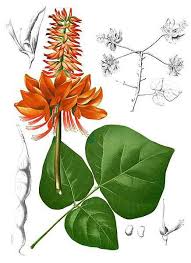
The Indian Coral Tree and Flame of the Forest are fast disappearing from the city scape, say botanists.
“The garish red flowers of the Indian Coral Tree (Erythrina Variegata), popularly known as Kalyana Murungai or Mulmurungai, attracted a lot of birds due to its copious nectar. Today, these trees are not only rare but also show severe gall infestation. Its flowers and leaves are marred by the unsightly galls,” says Pauline R. Deborah, assistant professor, Department of Plant Biology and Plant Biotechnology, Women's Christian College.
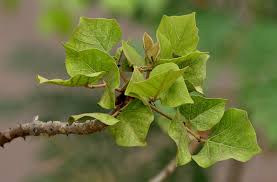
These leaves are great to slim down one has to take it a few leaves just chew them like any leaf and no other smell, early morning on an empty stomach and they are wonderful and cut down your waist like never before....sunkan
 
Kalyana murungai, botanically known as Erythrina indica, is one of the most colourful indigenous trees of peninsular India.
Erythrina is from the Greek word erythros, meaning red in allusion to the colour of the bloom and indica refers to its country of origin. The trifoliate leaf was popular with the early Christians in India, as representing the Trinity.
Before the leaves emerge, coral trees display a spectacular show with bright crimson flowers in dense terminal clusters.
The pods that follow the flowers are cylindrical and constricted between the reddish brown seeds, which are familiar with children as soodu kottai.
The bark of the tree is antipyretic and used in the treatment of epilepsy, dysmenorrhoea (painful menstruation) and skin ulcers.
The leaves are laxative, diuretic, anthelmintic, galactagogue (agent inducing milk secretion) and emmenagogue (promoting menstrual discharge).
Being an excellent nitrogen fixer, it is planted in tea plantations and in fields.
When in bloom, the tree makes a gorgeous sight.

That the flowers contain much nectar is evidenced by the frequent visits of many species of birds; sunbirds, mynahs and babblers are usually to be seen, hurrying from flower to flower, chattering and twittering. With man, also, the tree is very popular, having numerous uses. From an infusion of the flowers a brilliant coloring matter can be obtained, which may be made into water-paint or into a dye. Cotton, prepared with alum, can be dyed a bright  yellow or orange.   physicianpackiam                                                                                                   (27)
http://www.sidhhaherbs.blogspot.com

Wednesday, May 16, 2012

Malaysian Herbs -(23) பூவரசு Portia Tree

google.com, pub-7876390333399498, DIRECT, f08c47fec0942fa0
http://www.sidhhaherbs.blogspot.com
Portia Tree

Thespesia populnea    பூவரசு

பூக்களின் அரசன்


Commonly known as the 
Portia Tree Common names vary according to the country and include "Indian tulip tree", "Pacific rosewood", "seaside mahoe" (in Florida),surina (the "elegant tree"), suriya (Sinhala), bebaru or baru baru (Malay), milo or miro (in many Polynesian languages), maki (Rapanui), gangaraavi (Telugu), poovarasu (Tamil), and plaksa (Sanskrit).


Originally from the Old World, the Portia Tree was brought to Hawaii by early Polynesian settlers. The Tahitians considered it sacred and grew it near places of worship. Its name Thespesia means "divinely decreed" and was given by Daniel Solander who saw it in Tahiti as a member of Captain Cook's ship. It is mostly found along the coast. Its leaves turn yellow seasonally.

It is the host of the Cotton Stainer Bug (Dysdercus decussatus), and the plant was eradicated in many cotton-growing areas to eliminate this insect.

Uses as food: The fruits, flowers and young leaves are edible.

Morning the flowers are yellow but as the sun sets the flowers turn red. 


When small though it looks like a Banyan Fig it is not.


Other uses: The timber is hard, termite-resistant, has an attractive grain and dark-red color and is naturally oily so it can be highly polished (thus it is also called Pacific Rosewood). But the timber is often twisted and rarely found in large pieces so it makes only small items. As the timber does not impart a flavor, it is often used to carve wooden food bowls and food utensils in Hawaii.

The tough fibrous bark is made into rope (Hawaii and elsewhere) but is not as good for this purpose as Sea Hibiscus is. The bark is also used to caulk boats (Malay). Cork is made from the inner bark.


A yellow dye is obtained from the flower and fruits, and a red one from the bark and heartwood.  
A yellow dye is and a red one from obtained from the flower and fruits, a bark, and heartwood.
branches, it cast welcome shade and in Hawaii were planted near homes for this purpose. In India, they were planted to provide shade in coffee and tea plantations.

Traditional medicinal uses: Ground-up bark is used to treat skin diseases (India), dysentery, and hemorrhoids (Mauritius). Leaves are applied to inflamed and swollen joints (South India). When cut, the young fruit secretes a yellow sticky sap used to treat ringworm and other skin diseases (South India). Roots are used as a tonic. There is some modern investigation of the plant's effects on high blood pressure.

Mangrove and wetland wildlife at
Sungei Buloh Nature Park
Mangrove and wetland wildlife at
Sungei Buloh Nature Park

Main features:
Mangrove associate. A spreading habit, grows to 10-12m tall.

Bark: Brown, corrugated. Scaly twigs.

Leaves: Small, heart-shaped, shiny green.

Flowers: Pale yellow without red stigma as in Sea Hibiscus. Last for only one day, turning maroon and dropping then.

Fruits: A capsule is a flattened leathery sphere with disc-like sepals. Green at first, turning brown then black as it ripens and dries. The capsule then opens releasing 8-15 black seeds.

Similar plant: Sea Hibiscus (Hibiscus tiliaceus): flowers appear similar, yellow with maroon eyes and also turn dull orange with age, but have a dark red stigma, and fall off the same evening or 


Photo from
Peter Ng and Sivasothi
day after; leaves have slits on their underveins that secrete nectar; fruits and timber are different.

Status in Singapore: Common in suitable habitats.

World distribution: Native to the Old World, introduced and naturalized in the New World.

Classification: Family Malvaceae. World 1 mangrove associated species.
Other products extracted from the plant include tannin, oil, and gums (a dark red resin exudes from the bark). A fast-growing shrub that grows into a small tree with spreading .
physiciapackiam

                                                                                            (23)
http://www.sidhhaherbs.blogspot.com