Sunday, August 24, 2014

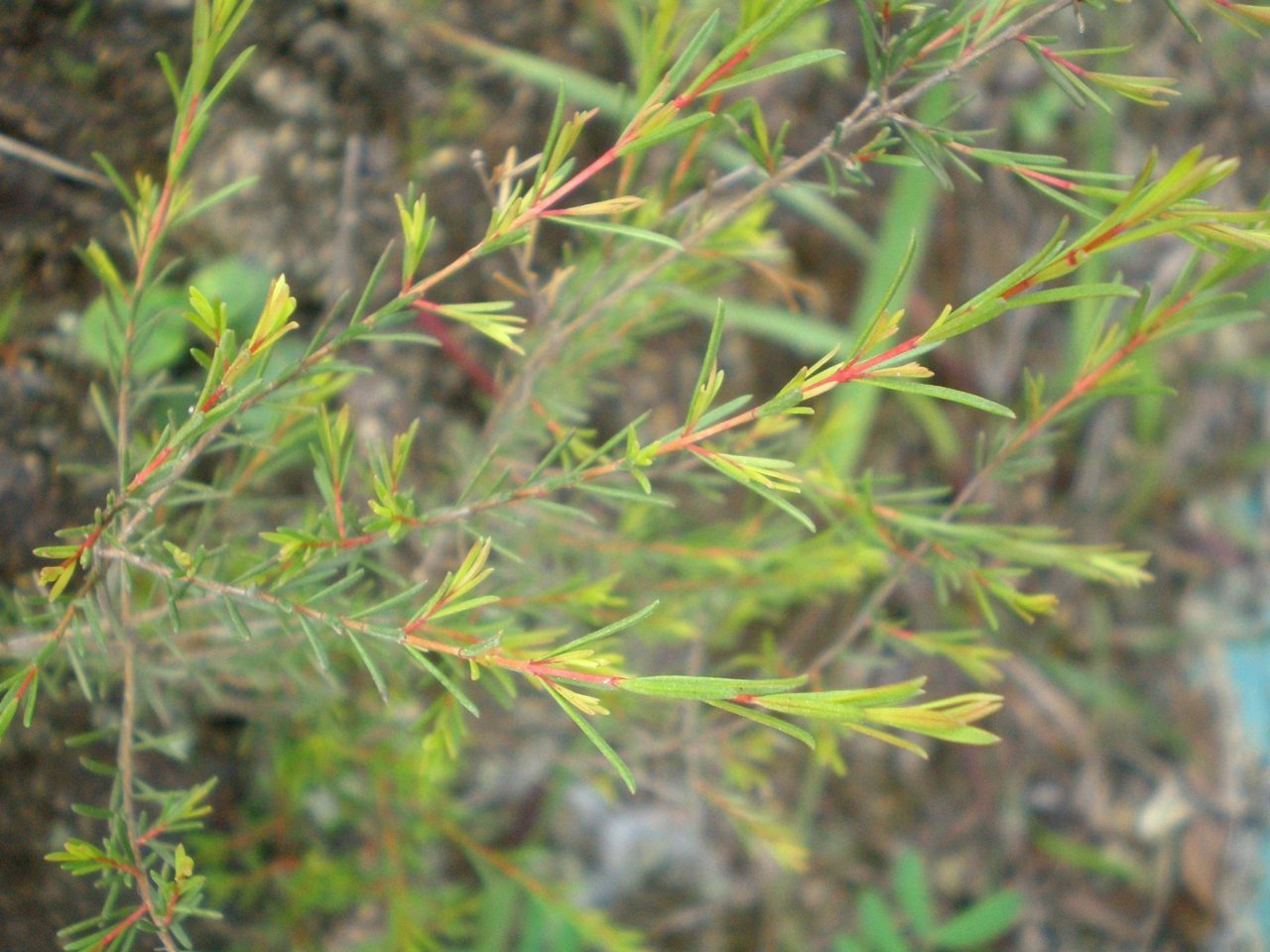
Malaysian Herbs -Baeckea frutescens- FALSE RUE- Ujung Atap (95)

google.com, pub-7876390333399498, DIRECT, f08c47fec0942fa0
                                       Baeckea frutescens      

 
FALSE RU  ujung atap
  • Baeckea is a genus of flowering plants in the myrtle family, Myrtaceae. There are about 75 species, of which 70 are endemic to Australia; the others are distributed in New Caledonia and Southeast Asia. 

    1. English: Baeckea frutescens. 

      Common names: False Ru. Cucur Atap (Malay).
       Distributed from Malaysia, China to Australia. 
      In traditional medicine, the entire plant except the roots is used to treat dysentery and as a diuretic. It is also used to treat fevers, flu, jaundice, headaches, measles, colic and abdominal pains.
      End of the roof  (Baeckea frutescens) is a medicinal plant in Indonesia. The wood used to make fences and powders for liniment abdominal pain. As materials and herbal medicine, the plant is known by the name jungrahab .
       Dried leaves as beverage for health tea/tonic; essential oils for scents and soap.
      This plant has got exactly nothing to do with plants of the Pinus genus or any other conifer, except in name.
      A shrub and sometimes small tree, it has linear leaf blades with an abundance of oil glands. When rubbed or crushed, its leaves will produce a strong, sharp, stingy, head-clearing aroma - pleasant, by all accounts.
      We can see in stalls  which sells baeckea frutescens tea bags too – and had let us sample some.
      The refreshing tea is said to be a tonic and herbal treatment for fever, headache and rheumatism, among other things. Its pleasant aroma is much like the tea tree.

      ayu ends of the roof used to make fences. It is said that the wood is dark red, extraordinarily hard and dense, heavy, and very durable.  

      The leaves are used for beverages, tea, laxative urine (diuretic), and abortivum. In traditional medicine, both in Malaysia and Indonesia, it is used to nourish the body's mother who had just given birth. Lumatan leaf edge of the roof that is mixed with water believed to cure sore. The leaves are also useful as a liniment for the whole body.  The leaves are sold in the Malay Peninsula during the Dutch colonial occupation by the name bowsprit leaf roof.  Flower edge of the roof in traditional medicine in order to treat appetite problems.  Baliem Valley, a drug used for fever, abdominal pain, and mosquito repellent and made ​​for a broom.  Crude (basic ingredients) of this plant, in Pharmacognosy known as Baeckea Folium (leaf Jungrahab) and, at least in the past, included as one of the crude drug which must be available in pharmacies. 

      End of the roof smell nice, like lavender because it contains essential oils (pinene, g-terpinena, p-sinmonena, limonena, linalol, etc.). It also contains substances (glycosides) that smells like resin. Phenol and baeckeol have been isolated from the plant end of this roof.  

      Ethanol extract of the edge of the roof showed cytotoxic activity against leukemia cells in the network. Three flavonoids were found on the leaf edge of the roof, the BF-4, BF-5, BF-6, and showed strong activity against stock leukemia cells. Baeckea frutescens is also known to be a potential anti-caries against Streptococcus mutans. Extract the edge of the roof shows anti-inhibitory activity against malaria parasites strong (Plasmodium falciparum) but not against the babesial (Babesia gibsoni).      
      thanks, wiki  
      physicianpackiam

      http://www.sidhhaherbs.blogspot.com 

              (95)

      Wednesday, July 16, 2014

      Malaysian Herbs-Custard Apple -(91)-Annona reticulata-சீத்தாப்பழம்

      google.com, pub-7876390333399498, DIRECT, f08c47fec0942fa0

      Custard Apple

      http://www.sidhhaherbs.blogspot.com 

       Custard Apple during Pregnancy !

        சீத்தாப்பழம்

      Custard apple is rich in copper which helps to form hemoglobin in the body. This is useful for pregnant women since they need about 1000 micrograms of copper every day. Hence eating custard apples during pregnancy is beneficial for both mother and child.
      Infusion of custard apple leaves is used to alleviate pain during pregnancy. But it should be consumed in moderate amount since the root and seeds have slight abortifacient properties.
      Custard apple is useful for pregnant womenPopularly known as seethaphal in India, custard apples mainly belong to the sub-tropical Annonaceae group of trees. A fruit with high nutritional benefits, custard apple is considered highly beneficial for an expecting woman. This soft and fresh fruit contains a sweet flavor and measures around 8 to 16 cm in dimension. Available in more than one color, the shape of the fruit is heart-shaped, spherical or even unusual at times. The thicker creamy flesh of the fruit has been held high since ages for the pregnant women. An expecting mother is often prescribed to have this fruit on a regular course as it is a very rich source of all kinds of nutrients.
      Seetaphal, Custard Apple Tree, Indian Medicinal PlantThe health benefits of custard apple in baby food include supply of minerals such as calcium for bone health, phosphorous for digestion, magnesium for energy production in the body, DNA and RNA synthesis, supply of vitamin C for strengthening the immune system and presence of antioxidants which neutralize free radicals.
      Custard apple is one of the sweetest fruits that you can find and hence another name for custard apple is sugar apples. The fruit is native to the tropical American countries. But the exact point of origin is unknown.  Today, you can find custard apples in most of the tropical countries of the world including tropical American countries such as Bahamas, Cuba, Dominica, Dominican Republic, Haiti, Jamaica, Puerto Rica, El Salvador, Guatemala, etc and tropical and subtropical Asian countries such as India, Indonesia, Thailand, Taiwan and Vietnam.
      We all know that would-be mothers are prescribed diets that are healthy, hygienic and safe at large. They can hardly grab a bite on much mouth-watering stuff that could be harmful for the baby inside. Seethaphal or custard apple is an ideal fruit for them for its enriched taste and nutritional value. The fruit is often recommended as part of a balanced diet for everyone. So far, as nutritious foods are better for all of us, we can eat this fresh creamy fruit for its overall benefits.
      Custard apple is stuffed with all required nutrients like vitamins, minerals, protein, carbs, fiber and essential fats. This is a single source of so many nutrients altogether which is why it is mainly recommended for an expecting woman. Seethaphal is available easily all around, and is inexpensive when compared to others.
      Vitamin A and C in custard apple is brilliant for the skin, eyes, hair and body tissues of the fetus inside the womb. It has been found that eating custard apple helps to build the brain nerves of the fetus. Regular consumption of this sub-tropical fruit is good for the growth of the baby. In addition to this, the fruit is equally beneficial for the mother as it is for the child.
      Custard apple is higher in calories, when compared to other fruits. However, they certainly make an ideal choice for the expecting mothers who require those extra calories for their existing physical condition. The high fiber amount of custard apple helps them in fighting with constipation, which is a common condition for many pregnant women. The fruit is also an excellent source of antioxidants. Therefore, it helps to remove the toxins from the body successfully.

      How is eating custard apple during pregnancy beneficial?


      Custard apple is a miracle fruit during pregnancy. It is stuffed with plenty of nutritional benefits that come to help collectively. For its manifold nutritional attributes, the fruit is considered best for the pregnant woman. Eating a custard apple daily along with other food stuffs will surely help a would-be mother in giving birth to a healthy child.  
      pysicianpackiam                                                                                                                 (91)

      http://www.sidhhaherbs.blogspot.com                 

      Malaysian Herbs-Caesalpinia pulcherrima -(92) மயிற்கொன்றை

      google.com, pub-7876390333399498, DIRECT, f08c47fec0942fa0

      http://www.sidhhaherbs.blogspot.com (மயிற்கொன்றை)

      Common names for this species include PoincianaPeacock FlowerRed Bird of ParadiseMexican Bird of ParadiseDwarf PoincianaPride of Barbados, and flamboyan-de-jardin.


      Caesalpinia pulcherrima is a species of flowering plant in the pea family, Fabaceae, that is native to the tropics and subtropics of the Americas. It could be native to the West Indies, but its exact origin is unknown due to widespread cultivation. 

      Caballero is one of the most beautiful flowering trees in the world. It has a beautiful inflorescence in yellow, red and orange and can be used to attract hummingbirds. This tree with great medicinal value can grow up to 5 meters high or more. It is also a popular and striking ornamental plant usually grown in public gardens and private yards.


      Medicinal Benefits:

      • The juice from the leaves is used to cure fever.
      • Fresh leaves of Caballero are applied externally to relieve rheumatism
      • The juice from the flower is used to cure sores.
      • Leaves can be heated and applied externally to treat stomach pains.
      • A decoction from the crushed seeds is used as an emetic and used to cure dysentery.
      • The seeds are also used to cure bad cough, breathing difficulty, and chest pain.
      • The roots are diuretic and useful in cases of stone formation in the bladder.
      • The juice of the stem and roasted fruit are used for eye diseases.
      • Four grams from the root is also said to induce abortion in the first trimester of pregnancy.
      • The finely powdered leaves are given as uterine tonic to women immediately after giving birth. 
      • physicianpackiam                    (92)
      http://www.sidhhaherbs.blogspot.com 


      Malaysian Herbs-(93)Vernonia amygdalina /Africaan Bitter Leaf

      google.com, pub-7876390333399498, DIRECT, f08c47fec0942fa0

      African Bitter Leaf


      Bitter leaf popularly called Vernonia amygdalina from the family Asteraceace is popularly known to be of immense importance when it comes to herbal therapy because of its potency to cure various diseases.
      Vernonia amygdalina has a very bitter taste which can be reduced by proper washing of the herb. The bitter taste is also of great value because it helps detoxify the body system thereby making the body healthier and free from toxic substance which are harmful to the body.
      Research have shown that regular Consumption of Veronia amygdalina could cure diverse ailment such as
      * CANCER.
      * DRUG RESISTANT. MICROBIAL INFECTIONS.
      * PROMOTE SAFE CHILD BIRTH.
      * CONSTIPATION.
      * FEVER.
      * ARTHRITIS.
      STROKE.
      * STOMACH ACHE.
      * PNEUMONIA.
      * INSOMNIA
      * LOSS OF MEMORY
      * REDUCE THE BODY WEIGHT.
      Herbal therapy is known all over the world to be very effective and cheap making use of natures gift to mankind.
      Vernonia amygdalina is available all over the world especially in the western part of Africa ( Nigeria ) where it is eaten raw or used to make various local delicacies and cure some of the diseases listed above.
      Vernonia amygdalina is available all around us though we don't know how powerful this little green plant is. 

      Abstract

      The aqueous leaf extract of Vernonia amygdalina, Del, (Compositae) given i.p. produced a dose-related fall in blood sugar. A dose of 80 mg/kg body weight of adult rabbit produced a maximum lowering of blood sugar in both fasted normal and alloxanized rabbits. The fasting blood sugar in normoglycaemic rabbits was reduced from 96 mg% to 48 mg% in 4 h. In alloxanized rabbits, the blood sugar was reduced from the mean value of 520 mg% to 300 mg% in 8 h. The hypoglycaemic effects were compared with those of tolbutamide. Acute toxicity studies of the extract in mice gave LD50 value of 1122 mg/kg body weight when given i.p. The blood sugar lowering effect of Vernonia amygdalina extract may involve a mechanism not related to insulin secretion.

      VERNONIA AMYGDALINA
      Mululuza, in Luganda, is a small shrub that is called bitter leaf in Africa due to its bitter taste. The macerated leaves of the plant are used in making soup while the water extract serves as a tonic drink for the prevention of certain illnesses.
      The leaves have found relevance in traditional medicine as anti-helmint, a laxative herb, treatment of eczemafor its anti-mutagenic activity and as an anti-malarial as the herb is also known as a quinine substitute. Vernonia amygdalina (also call Labwori in Luo language) has also been reported for its use by wild chimpanzees for the treatment of parasitic diseases in Tanzania.
      .The leaves are used in the treatment of diabetes because of its ability to lower blood sugar levels. Studies have shown that the aqueous extract also significantly reduced triglyceride levels and normalized cholesterol concentrations. This shows that the aqueous extract of V. amygdalina leaves have both hypolipidaemic and antioxidant properties. The possible hypocholesterolaemic potential and antioxidant property of V. amygdalina were investigated for its possible use for prophylaxis and treatment of atherosclerosis commonly found in diabetic diseases.
      The anticancer activity of organic extracts of V. amygdalina was first reported for human carcinoma cells of the nasopharynx 34 years ago and recent research studies have elicited antitumor activities in leukemia cells. In addition, it has been shown to inhibit the growth of breast cancer cells and shows promise for use as an agent to prevent or delay the onset of breast cancer and the herb's use as an alternative to Tamoxifen. By comparison, V. amygdalina is more than 17 times more potent than the most previously reported potent plant crude extracts on human breast cancerous cell growth and more than 170 times more potent than the least potent of the plant extracts previously reported by others. Furthermore, extracts from V. amygdalina have also been suggested to have inhibitory effects on prostate cancer cell lines with no effect on normal human blood cells.
      Reusable container
       Thanks:Nigerian Journal Of Physiological Sciences 20 (1-2): 39-42@ Physiological Society Of Nigeria, 2005
       Vernonia amygdalina is a shrub that has been commonly known as bitter leaf due the bitter taste of the leaves. It is widely used as a daily green vegetable or herb to treat malaria and diabetes. The potential of V. amygdalina was first noted when scientists observed chimpanzees use the pith of this shrub for self-deparasitization. Since that discovery, subsequent researches had unveiled more and more bioactivities possessed by different extracts of this plant such as antidiabetic, antibacterial, antimalaria, antifungal, antioxidant, liver protection and cytotoxic effects which are beneficial to health. Compounds including steroid glucosides, sesquiterpene lactones and flavonoids which contributed to its bitter taste and bioactivites have also been isolated from this plant.             (93)
      physicianpackiam

      http://www.sidhhaherbs.blogspot.com 


      Malaysian Herbs-(94)CARICA PAPAYA பப்பாளி மரம்

      google.com, pub-7876390333399498, DIRECT, f08c47fec0942fa0
           Papaya                CARICA PAPAYA         பப்பாளி 

      Anti Cancer Activity of Papaya Leaf


      A study conducted by University of Florida researchers Dr. Nam Dang and colleagues in Japan has documented papaya’s powerful anticancer properties and impact against numerous lab-grown tumors – and without the negative consequences of chemotherapy. The researchers used papaya leaf extract for the study conduction, with the anticancer effects being even stronger with a larger dose of the extract. In addition, the research showed for the first time that papaya leaf extract boosts production of Th1-type cytokines, which are key signaling molecules and very important in the regulation of the immune system. For the study, researchers exposed 10 different types of cancers including cervix, breast, liver, lung, and pancreatic to papaya leaf extract. In every case, the papaya leaf extract slowed the growth of the tumors. Additionally, the researchers analyzed the impact the papaya leaf extract had on the production of cytokines and noted that the extract could very well be used to help immune related conditions like inflammation, autoimmune disease, and many cancers.


      1) Provide Prevention and treatment of cancer and allergic disorders.The beneficial properties of papayas include but not limited to:
      2) Provide Revitalization of the human body and a maintaining of energy and vitality.
      3) Support cardiovascular system.
      4) Strengthened immune system.
      5) Prevent of cataract formation.
      6) Alleviate inflammation.
      7) Help with nausea and constipation.
      8) Fight various cancers including cervix, breast, liver, lung, and pancreatic while aiding the cardiovascular and gastrointestinal systems.

      Papaya/Pawpaw (Carica papaya) originates from tropical American countries. Today Papaya is cultivated in most tropical countries around the world. The Papaya with the Latin name carica papaya is called Paw Paw in Australia and New Zealand. This is in no way related to the Paw Paw in North America that has the Latin name asimina tribola, though both are medicinal plants.

      Papaya leaf juice is claimed to have reversed cancer in many people living on the Gold Coast in Australia. Harold W. Tietze in his book Papaya The Medicine Tree, describes how to make the juice and tells the stories of many cancer survivors who reportedly used the juice to get rid of their cancer.

      The book contains the the following report that was published in the Gold Coast Bulletin. “PawPaw Cancer Plea Bears Fruit”. Gold coast gardeners have responded to an appeal by cancer victims desperate to find supplies of pawpaw leaves. And the Gold Coast man who, 14 years ago, first exposed the leaves as a possible cure for cancer has been tracked down to a Labrador (Gold Coast) nursing home. The story of how Stan Sheldon cured himself of cancer by drinking the boiled extract of pawpaw leaves was first told in the Gold Coast Bulletin in 1978.
      Papaya Leaf ‘Miracle Cure

      New research in the United States has given scientific support to the claim that papaya leaves are indeed a cancer cure, isolating a chemical compound in the pawpaw tree which is reported to be a million times stronger than the strongest anti-cancer drug. Mr Sheldon, says the discovery does not surprise him. “I was dying from cancer in both lungs when it was suggested to me as an old Aboriginal remedy” he said. “I tried it for two months and then I was required to have a chest x-ray during those compulsory TB checks they used to have. They told me both lungs were clear.” “I told my specialists and they didn’t believe me until they had carried out their own tests.” “Then they scratched their heads and recommended I carry on drinking the extract I boiled out of the papaw leaves.”

      “One man has been growing paw paws and giving away the leaves to cancer victims ever since he read the Bulletin’s original 1978 story about Mr Sheldon. “I have no doubt that it works,” he said. “I know people walking around now who should have been dead according to their original cancer diagnosis. But the pawpaw treatment helped them to beat the cancer.”

      The recipe is as follows:
      Wash and partly dry several medium-size papaya leaves. Cut them up like cabbage and place them in a saucepan with 2 quarts/ litres of water. Bring the water and leaves to the boil and simmer without a lid until the water is reduced by half.
      Strain the liquid and bottle in glass containers.
      The concentrate will keep in the refrigerator for three to four days. If it becomes cloudy, it should be discarded.

      The recommended dosage in the original recipe is 3 Tablespoons/ 50ml three times a day. It is recommended to read Papaya The Medicine Tree for the interesting stories of “incurable” people who have used this extract to beat their cancer, and for other medicinal uses of papaya.

      A letter from R.J.W.:
      Hasil carian imej untuk papaya leaf
      “… I was inspired to send some leaves to a few people dying from cancer. The first, a banana grower aged 40, had two operations on his bladder for cancer which did not prevent metastasis. I placed him on a very simple diet consisting of zero junk food, fresh living food with no preservatives, white flour, sugar, colourings or additives and told him to “stuff a handful of pawpaw leaves into a saucepan and fill with water. Boil, simmer for one hour and drink it till it comes out of your ears.” He did so and five weeks had no trace of cancer whatsoever.”

      The leaves have also been reported successful used when dried and ground. The astonishing effects of the pawpaw have also been proved in tests on mice. The results were very impressive; tumors found in humans were being injected in mice and during treatment with papaw were disappearing.

      Pawpaw twigs contain acetogenins – active compounds that modulate the production of ATP in mitochondria of specific cells – which affects the viability of specific cells and the growth of blood vessels that nourish them. A recent clinical study with over 100 participants showed that the pawpaw extract, containing a mixture of acetogenins, supports the body’s normal cells during times of cellular stress.

      Acetogenins found in pawpaw have been shown to have dramatic biological activity, being active against worms, some viruses, fungi, and many cancer cell lines. When compared with conventional chemotherapy agents, they have worked comparably in cell culture and animal studies, but at far lower concentrations and with almost no toxicity to host animals.

      “Pawpaw is very effective on its own. It typically doesn’t need any supporting supplements. There are however, products that may be used in increasing the pawpaw’s effectiveness. The products are Noni, Immune Stimulator, Colostrums, and Protease Plus (especially when fighting a digestive tract or intestinal tumor).

      However, pawpaw should not be used with any kind of thyroid stimulators (e.g.: KC-X) or with CoQ10 (coenzyme Q10). Papaya affects ATD production in cells, so when used in conjunction with C-Q10 and similar compounds a contraindication evolves with the thyroid in hyperthyroidism / hypothyroidism patients. This usually would not generally affect the normal population, only people with a thyroid history. this combination may also expose an undiagnosed “thyroid condition”

      For cancer patients taking Laetrile, it is important to consume paw paw and pineapple each day, as the natural enzyme strips the coating on the cancer cells, so that the B17 in the kernels can work.

      This entry was posted in Breast Cancer, Cervix Cancer, Liver Cancer, Lung Cancer, Pancreatic cancer.
      physicianpackiam
                

      http://www.sidhhaherbs.blogspot.com 

                                                            (94) 

      Monday, April 28, 2014

      Malaysian Herbs-Coffee senna - (90)Senna occidentalis-தகரை

      google.com, pub-7876390333399498, DIRECT, f08c47fec0942fa0

      http://www.sidhhaherbs.blogspot.com 

      Senna occidentalis-தகரைச்செடி

      Senna occidentalis is a pantropical plant species.

      Vernacular names include : ʻauʻaukoʻi in Hawaii, coffee sennacoffeeweedMogdad coffeenegro-coffeesenna coffee,Stephanie coffeestinkingweed or styptic weed.[citation needed]
      The species was formerly placed in the genus Cassia.The species was formerly placed in the genus Cassia.
      The plant is reported to be poisonous to cattle. The plant contains anthraquinones. The roots contain emodin and the seeds contain chrysarobin (1,8-dihydroxy-3-methyl-9-anthrone) and N-methylmorpholine.

      Mogdad coffee seeds can be roasted and used as a substitute for coffee. They have also been used as an adulterant for coffee. There is apparently no caffeine in mogdad coffee.
      Despite the claims of being poisonous, the leaves of this plant, Dhiguthiyara in Dhivehi,  have been used in the diet of the Maldives for centuries  in dishes such as mas huni and also as a medicinal plant.

      The herb is reported to be used as condiment and in perfumery. The young leaves are eaten aloned as potherb or cooked along with unripe pods and eaten with rice ; the leaf when eaten is reported to act as a prophylactic against leucorrhoea.
        The herb can be utilized as cattle-feed and can from maintenance ration for bullocks although suspected poisoning of stock in Northern Queensland and scouring in heifers have been reported. The herb can be used for reclamation of land and also as green manure to restore fertility in exhausted fields. It is often cultivated as a shade plant.
        All parts of the plant have almost similar properties. They possess purgative, tonic, febrifugal, expectorant and diuretic properties. The plant is used to cure sore eyes, haematuria, rheumatism, typhoid, asthama and disorders of haemoglobin, is also reported to cure leprosy. A decoction of the plant is used in hysteria, in dysentery and other stomach troubles, and also as an application to sores, itch and inflammation of the rectum. The plant is employed in dropsy, and as a vermifuge. Along with other plant as, it is made into an ointment used for skin diseases. The herb forms an ingredient of the patented indigenous herbal drug “Liv-52”, which shows marked effect in the early cases of hepatic cirrhosis having steatorrhoea ; Liv-52 reduced the toxicity of cadmium and beryllium in experimentally infected rats with SFV (Semiliki forest encephalitis virus). As an ingredient effect in rats ; excellent response was recorded in senile pruritus cases. An infusion of the bark is given in diabetes. The volatile oil obtained from the leaves, roots and seeds showed anti-bacterial and anti-fungal activity.The leaves have purgative, febrifugal, tonic, sudorific, diuretic and stomachic properties. They are given in cough and hysteria. A lotion of the leaves is used as an eye-wash in tetanus. The leaves are used internally and externally in skin-diseases, such as itches, yaws, scabies and ring-worm. A decoction of the leaves is given to children as a mild vermifuge ; the hot decoction is given as an antiperiodic and is reported to be preferred to quinine for its tonic properties. The fresh leaves, pounded with salt and onions, are applied as a poultice to guineaworm sores to extruse the worms. They are used in the inflammatory swelling, rheumatism, wounds, sprains and wrenches and also given in jaundice, pleurisy, headache and toothache. A paste of the leaves with calcium hydroxide is applied on abscesses for quick opening and pus clearance. The leaf paste is also applied externally for bone fracture. The leaves are used in foot and mouth disease of cattle. Their extract exhibits activity against earthworms.

       
      The seed is bitter and has tonic, febrifugal and purgative properties. It is considered to be a blood tonic and excellent diuretic. Seeds are useful in cough and whooping cough, convulsions and in heart diseases. Their powder is externally applied in cutaneous diseases and eruptions. The extracts showed positive response on guinea pig-ileum, rat-uterus, rabbit-heart, and depressor-effect on blood-pressure of dogs, and also activity against earthworms.       
      physicianpackiam                     
                                                                                                                                                  (90)

      Saturday, April 26, 2014

      Malaysian Herbs-(88), Indian Sorrel-புளியாரையில் ஓரினம்

      google.com, pub-7876390333399498, DIRECT, f08c47fec0942fa0

      http://www.sidhhaherbs.blogspot.com 

      புளியாரையில் ஓரினம்

      Oxalis corniculata - Creeping Woodsorrel, Creeping Wood Sorrel, Creeping Oxalis, Creeping Woods, Yellow Oxalis, Yellow Wood Sorrel

      Oxalis corniculata


      இந்தியன் சோரல்--INDIAN SORREL

      இதை இந்தியன் அனைவரும் அறிவார்களா?

      இதனை கலப்புக்கீரையுடன் சேர்த்து கறி சமைக்கலாம்.
      Oxalis corniculata, the creeping woodsorrel, also called procumbent yellow-sorrel or sleeping beauty, resembles the common yellow woodsorrel, Oxalis stricta.

       It is a somewhat delicate-appearing, low-growing, herbaceous plant in the family Oxalidaceae. It has a narrow, creeping stem that readily roots at the nodes. The trifoliate leaves are subdivided into three rounded leaflets and resemble a clover in shape. Some varieties have green leaves, while others, like Oxalis corniculata var. atropurpurea, have purple. The leaves have inconspicuous stipules at the base of each petiole.
      The fruit is a narrow, cylindrical capsule, 1 to 2 cm long and noteworthy for its explosive discharge of the contained, 1 mm long seeds
      Description: The flowers are 1/2 inch (1.3 cm) across and have 5 oval petals. The leaves are clover-like and palmate with 3 notched, heart-shaped, green leaflets. The leaflets fold up at night. The plants are low-growing and have long, trailing stems that root at the leaf nodes, allowing them to spread rapidly.

      Distribution

      This species is cosmopolitan in its distribution, and its place of origin is unknown, but it is considered an Old World plant. It is regarded as weed in gardens, agricultural fields, and lawns.

      Uses

      The leaves of wood sorrel are quite edible, with a tangy taste of lemons. A drink can be made by infusing the leaves in hot water for about 10 minutes, sweetening and then chilling. The entire plant is rich in vitamin C. Any wood sorrel is safe in low dosages, but if eaten in large quantities over a length of time can inhibit calcium absorption by the body.
      In India, where the plant is known as chichoda bhaji (approximately "earthalmond greens"), it is only eaten seasonally, starting around December.
      The leaves contain oxalic acid, which gives them their sharp flavor. Perfectly all right in small quantities, the leaves should not be eaten in large amounts since oxalic acid can bind up the body's supply of calcium leading to nutritional deficiency. The quantity of oxalic acid will be reduced if the leaves are cooked. People with a tendency to rheumatism, arthritis, gout, kidney stones or hyper acidity should take especial caution if including this plant in their diet since it can aggravate their condition.

      Arable land and waste places, it is a common garden weed where it tends to become especially troublesome in pots of plants growing in greenhouses etc.
       physicianpackiam

      http://www.sidhhaherbs.blogspot.com 


      (88)  

      Tuesday, January 28, 2014

      Malaysian Herbs- (89)Senna surattensis-ஆவாரையில் ஓரினம்

      google.com, pub-7876390333399498, DIRECT, f08c47fec0942fa0
      File:Starr 071024-9956 Senna surattensis.jpg Senna surattensis


      Common name: Glaucous Cassia, Scrambled Egg Tree, Golden Senna, Singapore Shower, Sunshine Tree, Sulphur-flowered senna • Marathi: Motha farvad • Kannada: Adavi tangadi, Bettadavare,  

      Glaucous Cassia is a small tree and very common in Southeast Asian gardens and is also often seen planted along citystreets and roadsites. The flowering days of Galucous Cassia are prolonged and beautiful. As a species, it is capable of flowering from January through December. Many trees have their best show in the spring and summer while others are at their showiest from fall into spring. The trunk and branches are a silver-gray color. The bright,sometimes pale yellow flowers appear continuously at the end of the branches. Flowers are very similar to those of Indian Laburnum, but never look so spectacular because they do not hang in bunches. Flowers attract butterflies. It is a rapidly easy growing tree,which tolerates poor soil. 
       Many trees have their best show in the spring and summer while others are at their showiest from fall into spring. Late summer and mid winter are usually the two periods of minimum or no flower displays, and mid winter is when many trees can become quite unkempt.
      What’s quite noticeable is that most
      trees, growing in close proximity to each other, either put on an exceptional show or nary a flower. This suggests that flowering is stimulated by local maintenance regimes more so than by changing weather. Newly planted trees must be kept well watered to become established and apparently to flower adequately.
      After establishment reduce irrigation. In alternate years, prune once after a major flowering episode to keep a tight attractive canopy. You may want to prune more often since heavy flowering can leave some trees disheveled, with scant leaves and dry,hanging, blackened pods. The trunk and branches are a silver-gray color. The crown is naturally rounded and airy, but pruning and wind damage will thicken and shorten the canopy of many trees. Easily toppled by wind,S. surattensis should probably be staked for up to three years after planting or until it becomes properly established.It is generally not a long lived tree,and will usually not survive for more than 6 years under normal street scape conditions. However, properly tended, it can live for more than 10 years. This means keeping it properly standing and maintaining it free of scales and the pink hibiscus mealy bug. Typical of this genus,S. surattensis attracts egg-laying cloudless sulfur  butterflies. The caterpillars feed on the leaves and flowers of the tree. However, caterpillar feeding does little to detract from the beauty of its magnificent displays. Maintain  a fertilizer schedule for best appearance.

      Senna species make good ornamental plants and are used for landscape gardening. The wide variety of species and ecological adaptations makes at least a handful of sennas suitable for any climate warmer than cool-temperate.

      Cassia gum - a commonly-used thickening agent - despite its name, is actually from Chinese Senna (S. obtusifolia) seeds.
       In some Southeast Asian cuisines (particularly those of Thailand and Laos), the leaves and flowers of Siamese Senna (S. siamea, called khi-lek in Thai), either fresh or pickled in brine, are used in cooking, particularly in gaeng khi-lek (khi-lek curry).

      Another senna, Senna italica ssp. italica (= Cassia obovata), often called "neutral henna", is used as a hair treatment with effects similar to henna but without the red color.

       The active component is an anthraquinone derivative called chrysophanic acid(1,8-Dihydroxy-3-methylanthraquinone), also called chrysophanol, which is also found in higher concentrations in rhubarb root. It adds a slight yellow color. Chrysophanol has been reported to have antimicrobial and anti-inflammatory  properties. It is also used by the beetle Galeruca tanaceti as a pheromone.
      Some species of Senna are notable for being host to caterpillars of certain Lepidoptera species, for example

      The sennas are typically shrubs or subshrubs, some becoming scandent when growing into other vegetation. Some are herbs or small trees. Many species have extrafloral nectaries.
      The leaves are paripinnately compound, the leaflets opposite. The inflorescence is a raceme, or some arrangement or racemes. The pedicels lack bracteoles.
      The flowers produce no nectar. They are buzz pollinated and offer pollen as a reward to pollinators. They are often asymmetric. The petals are 5 in number, similar to each other, yellow, or rarely white.
      The stamens may be as few as 4, but usually there are 10. When 10, they occur in 3 sets. The 3 adaxial stamens are staminodial. The 4 medial stamens are smaller than the 3 abaxial stamens. The anthers are basifixed and open by two terminal pores or short slits.
      The gynoecium is often enantiostylous; that is, it is deflected laterally to the right or left. This makes the flower asymmetric, but the perianth and the androecium may be asymmetrical as well.
      The fruit is a legume, indehiscent or tardily dehiscent.
                            (89)